
A balanced look at Utah’s outdoor lifestyle, employment opportunities, housing costs, climate, air quality, and continued growth.
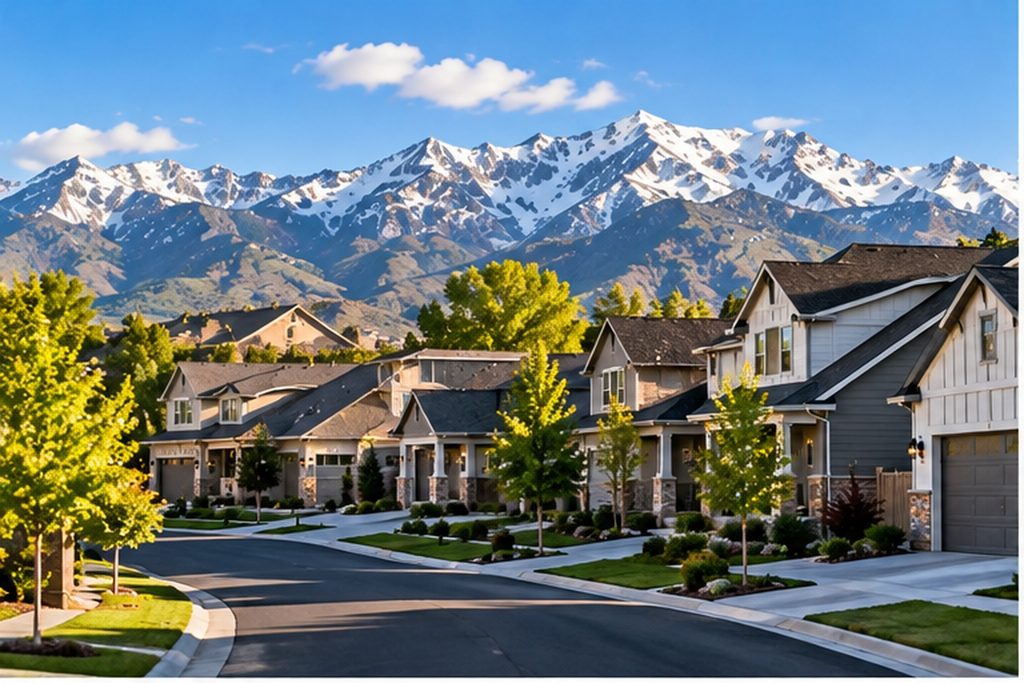
Utah residential community with the Wasatch Mountains in the background.
Is Utah a good place to live? For many people, the answer can be yes, but the better question is whether Utah is a good fit for your priorities. The state attracts residents with its access to outdoor recreation, employment opportunities, varied communities, and distinctive mountain-and-desert scenery. At the same time, living in Utah comes with tradeoffs that buyers and relocating households should understand before choosing a city or neighborhood.
Utah is not one uniform lifestyle. Salt Lake City and the Wasatch Front offer a more urban and suburban environment, while places such as St. George, Logan, Provo, Ogden, and smaller communities offer different combinations of housing, commute patterns, climate, recreation, and community character. The right choice depends on what you value most.
| The short answerUtah can be an excellent place to live if you value outdoor access, an active lifestyle, and economic opportunity. But housing costs, winter air quality in some areas, climate, traffic, water considerations, and rapid growth deserve a closer look before you move. |
1. Outdoor Recreation Is a Major Advantage
One of Utah’s clearest lifestyle advantages is the amount of outdoor recreation available across the state. Official Utah tourism resources highlight hiking, skiing, mountain biking, fishing, backpacking, slot canyons, and other activities. Utah is also home to five national parks and more than 40 state parks, giving residents access to a wide range of landscapes and recreation opportunities.
For winter sports enthusiasts, proximity can be especially attractive along the Wasatch Front. Visit Utah reports that Utah has 15 ski resorts and that 10 are within an hour of Salt Lake City International Airport. That combination of metropolitan amenities and nearby mountains is one reason the region appeals to people who want an active lifestyle without living in a remote mountain town.

Outdoor recreation is one of Utah’s strongest lifestyle draws, from mountain trails to alpine scenery.
2. Utah Has a Strong Employment Base, but Conditions Change
Employment is another reason people consider Utah. According to the Utah Department of Workforce Services, Utah’s nonfarm payroll employment increased 1.2% over the 12 months ending in August 2026, adding an estimated 20,600 jobs. The state’s seasonally adjusted unemployment rate was 3.5% in August 2026. These figures indicate continued employment growth, although the state’s workforce agency also noted that hiring had cooled somewhat around the edges and that some parts of the labor market had become more competitive.
Utah’s economy includes technology, healthcare, transportation, tourism, manufacturing, professional services, and other industries. However, a statewide employment statistic does not tell you whether your specific career will be a good fit. Someone considering a move should compare local employers, salary expectations, commute times, and job availability in the particular city where they plan to live.
| For relocating householdsDon’t evaluate Utah’s job market only at the state level. Look at your occupation, likely salary, commute, employer locations, and the cost of housing near your workplace. |
3. Housing and Cost of Living Require a Realistic Budget
Utah can offer a high quality of life, but housing is one of the biggest factors buyers should evaluate carefully. U.S. Census Bureau QuickFacts lists a statewide median value of owner-occupied housing units of $489,400 for 2020–2024 and a median gross rent of $1,496 for the same period. Those are historical statewide figures rather than a quote for today’s market, and actual costs can vary dramatically by city and neighborhood.
Housing is only one part of the budget. Buyers should also consider property taxes, homeowners insurance, utilities, HOA dues when applicable, transportation, maintenance, and the cost of services. A home that looks affordable based on the purchase price may feel very different once the full monthly cost is calculated.
Location matters as well. A household may find different housing choices in the Salt Lake Valley, Utah County, northern Utah, or southern Utah. Rather than asking whether Utah is expensive or affordable as a whole, compare the cost of living in the exact community that fits your work and lifestyle.
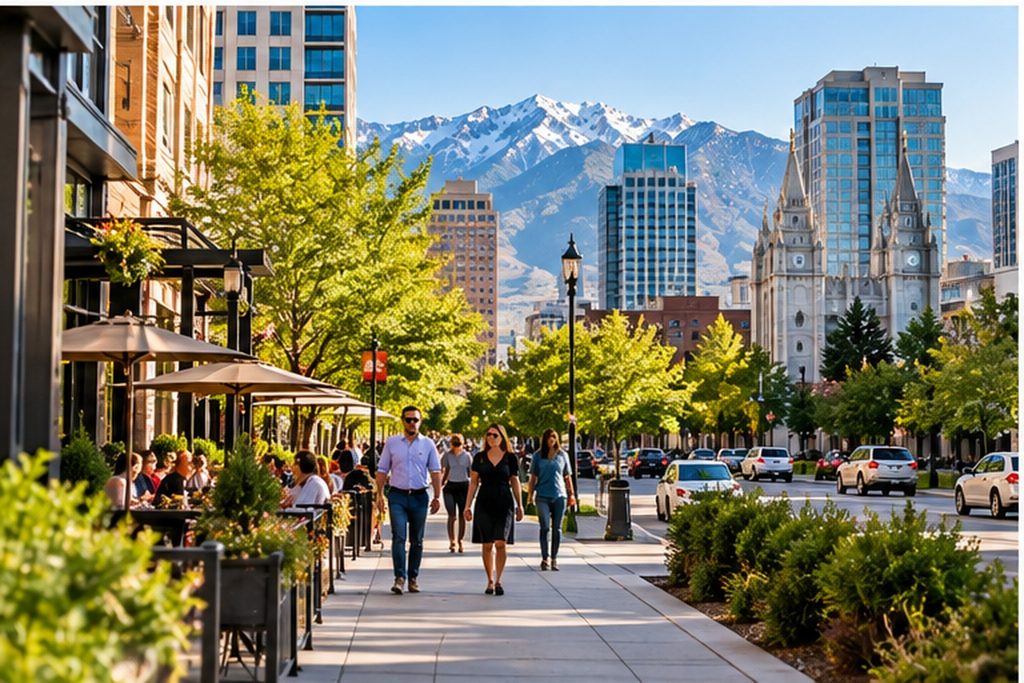
Utah’s urban areas combine residential neighborhoods with employment, dining, services, and mountain access.
4. Weather Can Be a Benefit or a Drawback
Utah’s climate is highly varied. State resources describe multiple climate regions across the state, influenced by elevation, latitude, and topography. Northern Utah commonly experiences four seasons, with hot, dry summers and cold winters. Southern Utah can feel very different, with warmer temperatures and desert landscapes.
If you are moving to Utah, think beyond the postcard version of the state. Ask yourself how you feel about snow, dry summer heat, low humidity, seasonal temperature swings, winter driving, and changing weather conditions at different elevations.
For some residents, four distinct seasons are a major attraction. Others may prefer a warmer climate and could find parts of southern Utah more comfortable. Visiting the area during different seasons can provide a much more realistic picture than a single weekend trip.
5. Air Quality Is a Real Consideration in Some Utah Communities
Air quality deserves an honest place in the conversation. The Utah Division of Air Quality explains that the Northern Wasatch Front can experience wintertime PM2.5 pollution and summertime ozone. Winter inversions can trap pollutants near the ground because of a combination of topography, weather patterns, and emissions.
That does not mean every day has poor air quality or that the entire state experiences the same conditions. Utah’s geography is diverse, and air-quality conditions vary by location and season. But if air quality is important to your household, research the specific community and check current and historical information rather than relying on a statewide reputation.
| A smart relocation stepIf you are sensitive to air quality, visit during the season that concerns you most and review official air-quality information for the specific area you are considering. |
6. Growth Creates Opportunity and Pressure
Utah has experienced significant population growth. Census Bureau QuickFacts estimates that the state’s population increased 8.2% between the April 1, 2020 estimates base and July 1, 2025, reaching an estimated 3,538,904 residents.
Growth can support new businesses, jobs, services, housing construction, and investment. But it can also create pressure on roads, infrastructure, housing supply, water resources, and commute times. A neighborhood that feels quiet today may look different several years from now.
For home buyers, growth should therefore be viewed as both an opportunity and a factor to investigate. Look at planned development, transportation projects, nearby construction, school or community changes, and the overall direction of the area before making a long-term purchase.
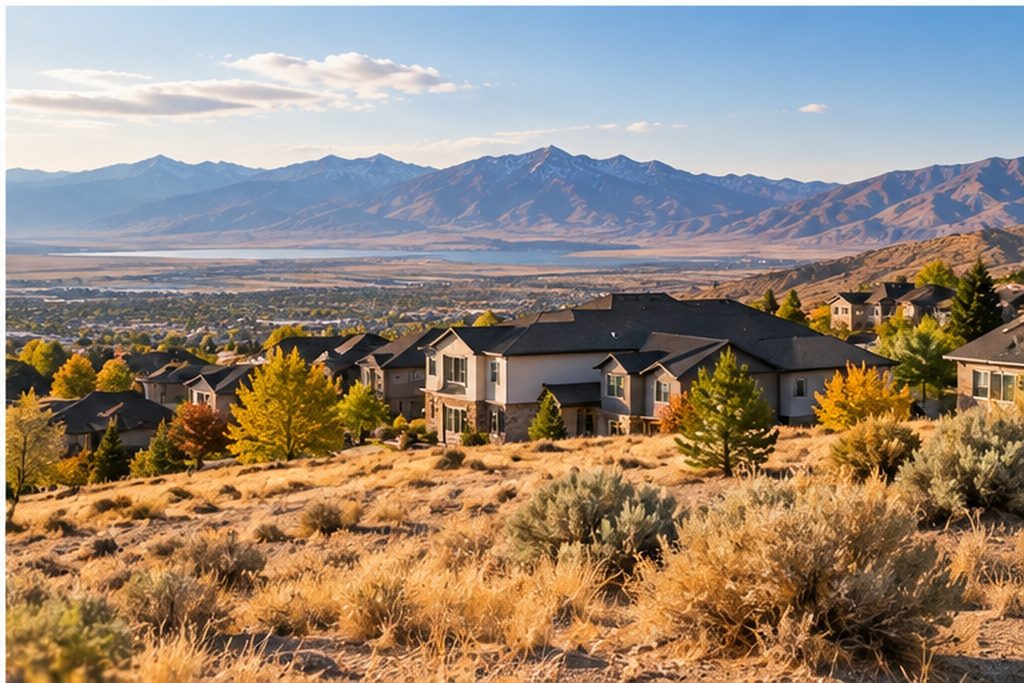
Utah’s mountain communities illustrate the variety of landscapes and residential settings available across the state.
7. Lifestyle Fit Matters More Than a Statewide Ranking
One of the easiest mistakes a relocating buyer can make is asking whether Utah is simply a ‘good’ or ‘bad’ place to live. A better approach is to identify the lifestyle you want and then find the Utah community that matches it.
If you want urban amenities, restaurants, employment centers, and easier access to major services, compare communities along the Wasatch Front.
If outdoor recreation is your top priority, evaluate proximity to trails, ski areas, parks, reservoirs, and public lands.
If housing budget is your biggest concern, compare multiple cities rather than assuming every Utah market costs the same.
If weather matters most, compare northern, central, and southern Utah before choosing a community.
If commuting is important, test the drive at the times you would actually travel to work.
If you are planning to stay long term, research future development and infrastructure instead of evaluating only what exists today.
8. What Should You Research Before Moving to Utah?
Before buying a home or relocating, build a simple comparison for the communities you are considering. Look at the purchase price or rent, property taxes, insurance, utilities, commute time, employment access, recreation, weather, air quality, neighborhood character, and future development.
It is also worth visiting at different times of day. A neighborhood that feels peaceful on a Saturday afternoon can feel very different during a weekday commute. Drive the routes you would use, visit nearby shopping and services, and spend time outside the immediate downtown or tourist areas.
If you are buying, investigate the property itself as well as the surrounding community. A great house cannot compensate for a location that does not work for your daily life.
Utah Pros and Tradeoffs at a Glance
| Factor | Potential Advantage | What to Evaluate |
| Outdoor recreation | Mountains, parks, skiing, hiking, biking and more | Distance, seasonality, traffic and access |
| Employment | Continued statewide job growth | Your specific industry, salary and commute |
| Housing | Different markets and housing styles across the state | Local prices, taxes, insurance, HOA and maintenance |
| Climate | Four seasons and major regional variety | Snow, heat, dryness and elevation |
| Air quality | Many days with good conditions | Seasonal winter inversions and summer ozone in some areas |
| Growth | New jobs, services and development | Traffic, infrastructure, housing pressure and future plans |
Frequently Asked Questions
Is Utah a good place for families?
It can be, particularly for households that value outdoor recreation, community amenities, and access to a variety of suburban and urban environments. The best fit still depends on the family’s budget, commute, schools, housing needs, and lifestyle.
Is Utah expensive to live in?
Housing costs vary significantly by community, so a statewide yes-or-no answer can be misleading. Compare the full monthly cost of housing and living in the specific city or neighborhood you are considering.
Does Utah have good job opportunities?
Utah has continued to report employment growth, but opportunities vary by industry and location. Evaluate your specific profession, employers, salary and commute before relocating.
What is the weather like in Utah?
Utah has substantial regional and elevation differences. Northern areas experience cold winters and hot, dry summers, while southern areas can be considerably warmer.
Is Utah’s air quality good?
Air quality varies by location and season. The Northern Wasatch Front can experience winter inversions and summertime ozone, so buyers should research the specific community and season that matter to them.
Is Utah still growing?
Yes. Census estimates show substantial population growth since 2020. Growth can bring economic and community benefits, but it can also increase pressure on housing, roads, infrastructure and other resources.
The Bottom Line
Utah can be a very good place to live, but it is not automatically the right place for everyone. The state’s outdoor recreation, employment base, varied communities, and distinctive landscapes are real advantages. At the same time, housing costs, weather, seasonal air-quality issues, and rapid growth are important tradeoffs.
The best decision is not to choose Utah because someone says it is one of the best places to live. Choose a specific Utah community because its housing costs, commute, climate, recreation, neighborhood character, and future plans make sense for your household.
If you are considering buying a home in Utah, take time to compare communities and visit the areas you are considering before making a long-term decision.
Buyer Disclaimer
This article is for general educational purposes only. Housing costs, employment conditions, air quality, development patterns, and other local conditions can change over time and vary by location. Buyers should independently verify current information for the specific community and property they are considering and consult appropriate licensed professionals for legal, financial, lending, inspection, insurance, or tax questions.
| Thinking about moving to Utah?Rylee Harris can help you explore Utah communities and navigate the home-buying process based on your priorities.Email: ryleeharris@kw.com |