A practical guide to the expenses buyers may pay at closing, what those costs can include, and how to prepare without last-minute surprises.
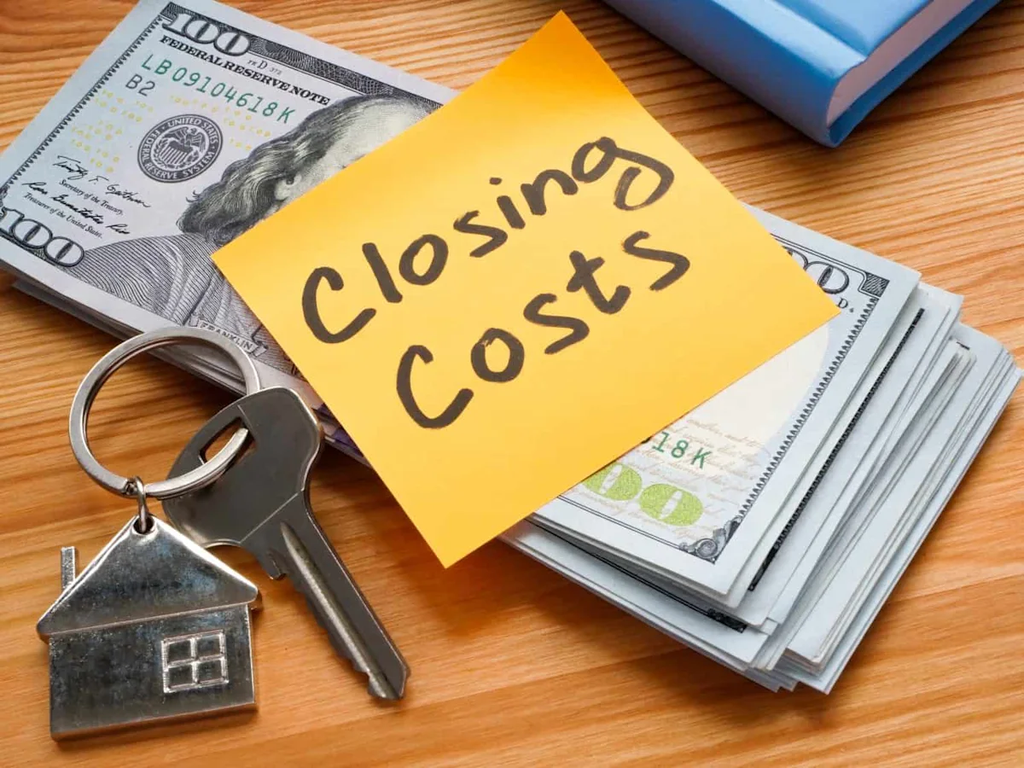
Closing costs are separate from your down payment, so planning for both early can make the buying process much smoother.
If you are buying a home in Utah, it is easy to focus almost entirely on the down payment. That is the number buyers hear about most, and it often becomes the main savings goal. But the down payment is not the only cash you may need to bring to the closing table. Closing costs are a separate group of expenses connected to your mortgage, title work, taxes, insurance, and the legal transfer of the property.
For first-time buyers especially, these costs can be an unpleasant surprise when they are not discussed early. The good news is that closing costs are not mysterious once you know what to expect. A clear estimate from your lender and real estate team can help you build them into your budget well before closing day.
| Quick takeawaySave for the down payment and closing costs as two separate goals. The earlier you know your estimated cash-to-close number, the easier it is to avoid scrambling at the end. |
What Exactly Are Closing Costs?
Closing costs are the fees and prepaid expenses required to complete a home purchase. Some are connected to the mortgage itself, while others pay for third-party services or set aside money for future expenses. They are generally paid at or near closing and are separate from the amount you put down on the home.
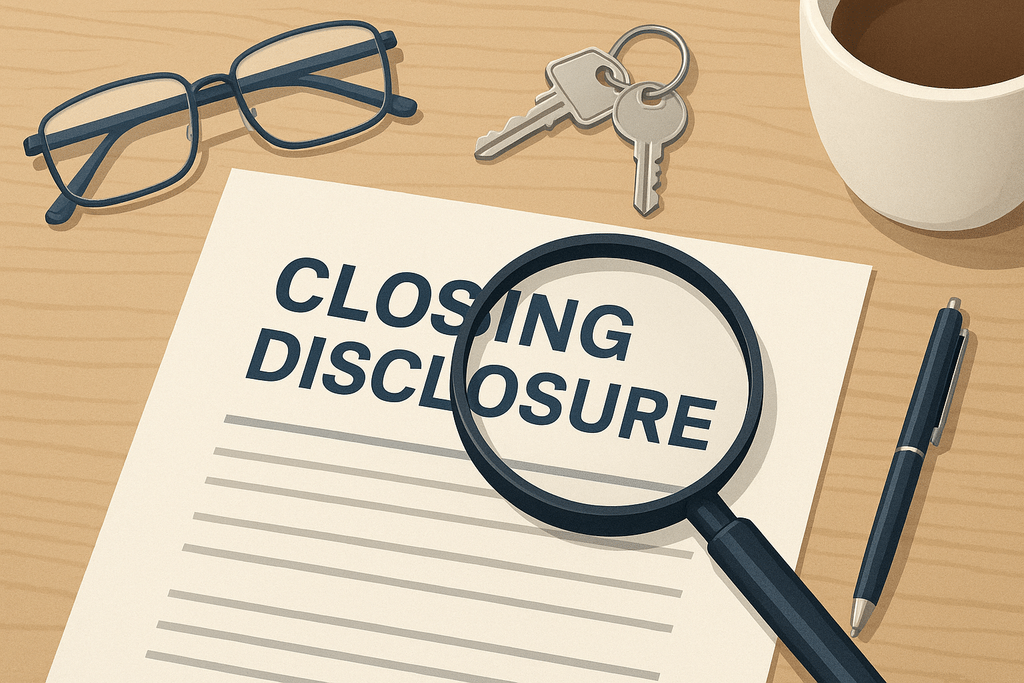
Your lender’s closing documents break down the final loan terms and the costs due at closing.
Common Utah Closing Costs for Buyers
The exact charges depend on your lender, loan program, property, closing date, and the way the transaction is structured. Still, most Utah buyers will see some combination of the following expenses:
| Lender feesLoan processing, underwriting, origination, and other lender charges. | Appraisal feeThe cost of an independent appraisal used to help confirm the home’s value. |
| Title costsTitle search, title-related services, and applicable title insurance charges. | Prepaid taxesProperty-tax amounts that may need to be collected or prepaid around closing. |
| Homeowners insuranceYour lender may require insurance to be in place before the loan closes. | Escrow setupInitial reserves for future property-tax and insurance payments when an escrow account is used. |
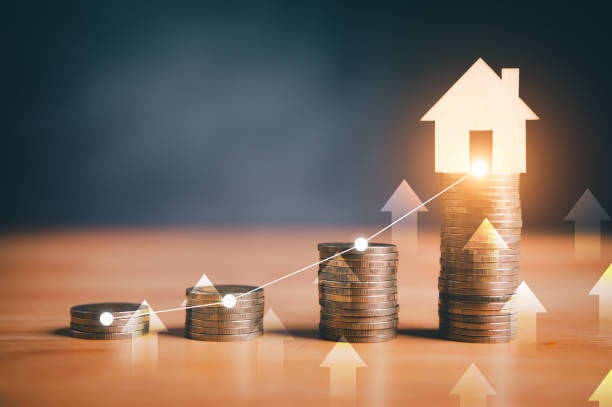
The final amount can vary, so ask for an estimate that reflects your actual loan and property.
How Much Should a Utah Buyer Plan to Spend?
There is no single closing-cost number that applies to every Utah purchase. In many transactions, buyers should expect to bring several thousand dollars in addition to the down payment. The exact amount is influenced by the loan type, lender charges, purchase price, prepaid taxes and insurance, the date you close, and whether any credits or concessions are included.
Instead of relying on a broad rule of thumb, ask your lender for a realistic cash-to-close estimate as early as possible. Then update that estimate as the loan and contract details become clearer. This is much more useful than trying
to guess the number a few days before closing.
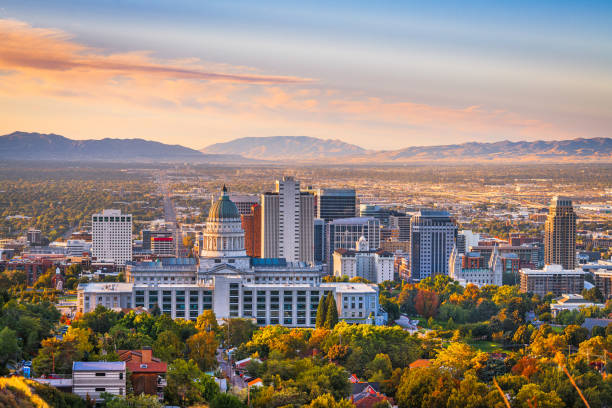
Utah housing costs vary by location, so the best closing-cost estimate is one built around your specific property and financing.
Four Ways Buyers May Reduce Their Upfront Cash Needs
Closing costs are real expenses, but the way they are paid can sometimes be negotiated or structured differently. Depending on the market, loan program, and property, your options may include:
Negotiating seller concessions that allow the seller to contribute toward eligible buyer closing costs.
Comparing lender credits, where a lender may offset some upfront costs in exchange for different loan pricing.
Exploring assistance programs that may help qualified buyers with down-payment or closing-related expenses.
Comparing loan structures and lender fees instead of assuming every financing option will create the same cash-to-close amount.
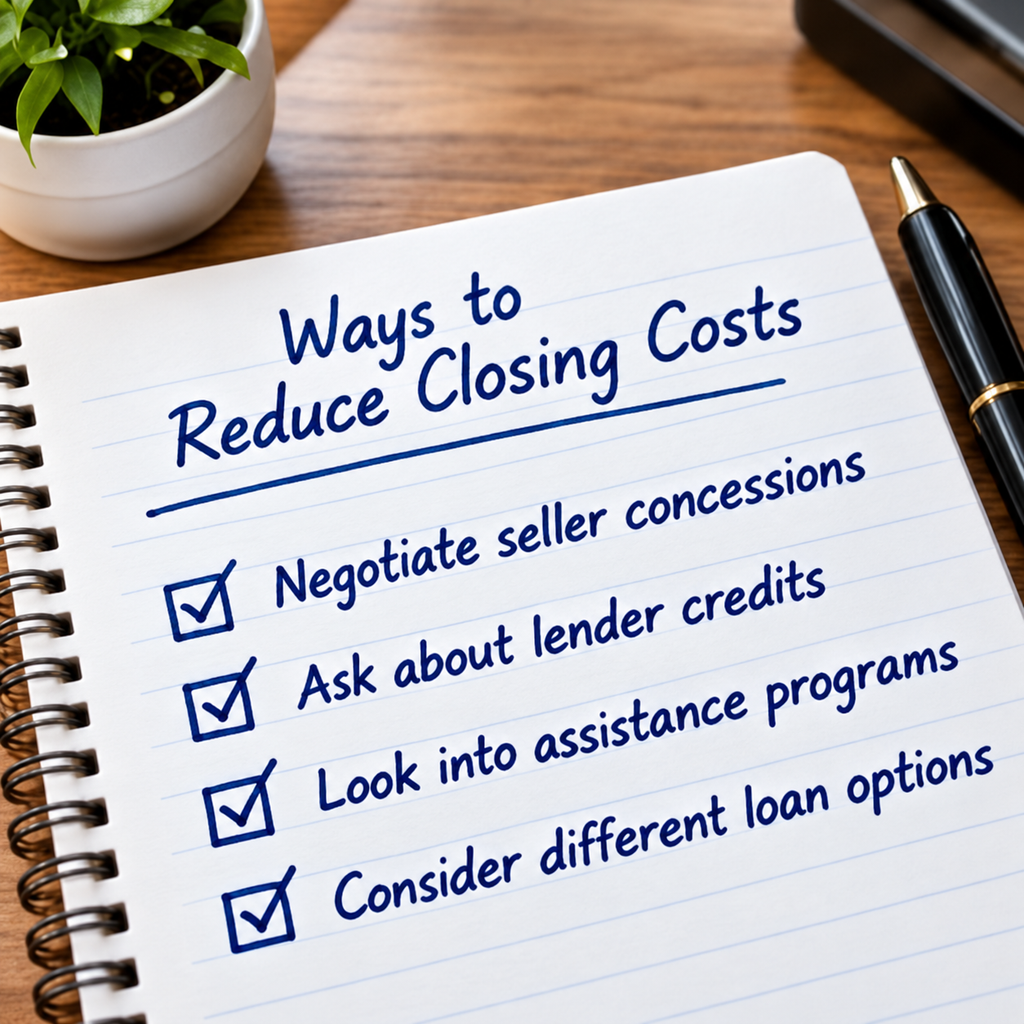
Seller concessions, lender credits, assistance programs, and financing choices can all affect how much cash you need upfront.
Why Planning Early Matters More Than Finding a Last-Minute Fix
The best time to talk about closing costs is before you are under pressure. When buyers wait until the final days of the transaction, their choices are usually more limited. Planning early lets you compare lenders, decide how much cash you want to keep in reserve, and understand whether asking for seller concessions makes sense when you write an offer.
It also protects your emergency savings. Buying a home does not end with the closing appointment. Moving, utility deposits, furniture, maintenance, and unexpected repairs can show up immediately. Using every available dollar just to reach closing can make the first few months of homeownership unnecessarily stressful.
Closing Costs Are Part of the Bigger Utah Home-Buying Budget
Whether you are buying in Salt Lake City, South Jordan, Sandy, Draper, Lehi, Orem, Provo, Saratoga Springs, Ogden, or another Utah community, the smartest budget looks beyond the listing price. Your down payment, closing costs, monthly mortgage payment, taxes, insurance, HOA dues when applicable, and post-closing reserves should all work together.
A home can still be a great fit even when the closing costs are higher than expected, but only when those costs are understood and planned for. The goal is not simply to get the keys. It is to reach closing with enough financial breathing room to enjoy the home after you move in.
Frequently Asked Questions About Utah Closing Costs
| Are closing costs included in the down payment?No. The down payment and closing costs are separate parts of the cash you may need for a home purchase. |
| Can the seller pay some of a buyer’s closing costs?Sometimes. Seller concessions may be negotiated, subject to the contract, market conditions, and the limits of the buyer’s loan program. |
| Can a lender help with closing costs?Some lenders offer credits that reduce certain upfront costs. Those credits can affect the loan’s pricing, so compare the full terms rather than looking only at the credit amount. |
| When will I know my exact closing costs?Your lender will provide formal loan disclosures during the mortgage process. The final amount becomes clearer as the closing date approaches and the transaction details are finalized. |
Final Thoughts
Utah closing costs are not something buyers need to fear, but they are something buyers should plan for. If you save only for the down payment, the final cash-to-close number can feel overwhelming. If you discuss lender fees, title costs, prepaid expenses, possible credits, and assistance options early, the process becomes much easier to manage.
The key is simple: know the numbers before they become urgent. A realistic budget, a clear lender estimate, and a good transaction strategy can help you arrive at closing prepared instead of surprised.
| Planning to buy a home in Utah?Rylee Harris can help you understand the buying process, compare Utah communities, and prepare for the costs that come with making an offer and getting to closing.Phone: +1 (208) 530-5271 | Email: ryleeharris@kw.comContact Rylee through Visionary Living Realty |